26 Post deconstruction
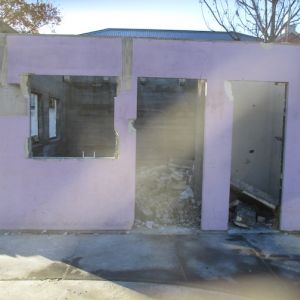
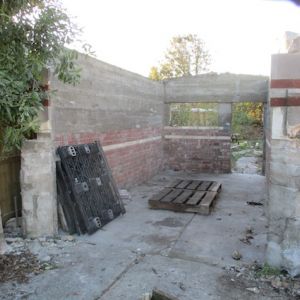
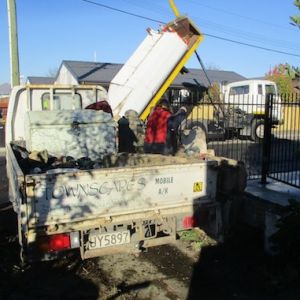
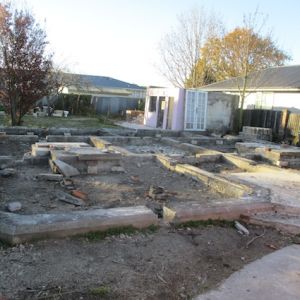
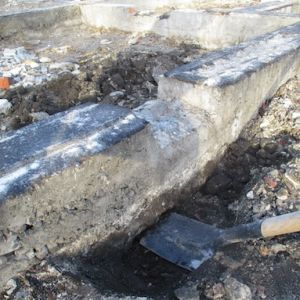
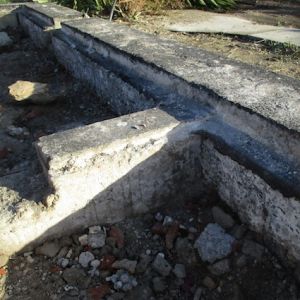
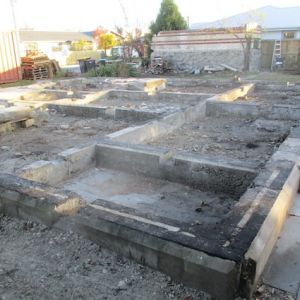
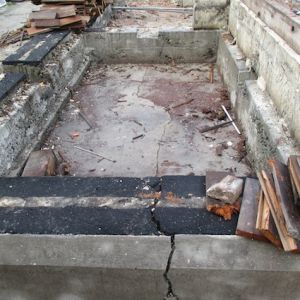
Deconstruction went well.
I have been given the opportunity and time to do the job as it should be done and I am very pleased with the result.
The house came apart nicely and I am sure that house Muschamp can and will be rebuilt out of the retrieved materials.
I very much look forward to rebuilding the house.
I have enjoyed the work and the lifestyle a lot.
Deconstructing the house made me a richer man.
Storage:
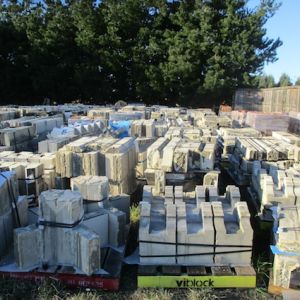
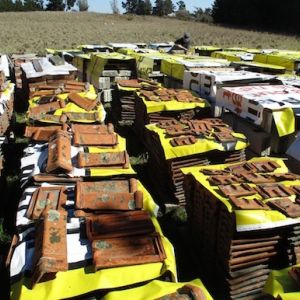
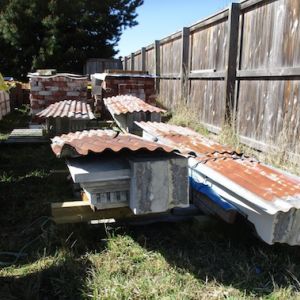
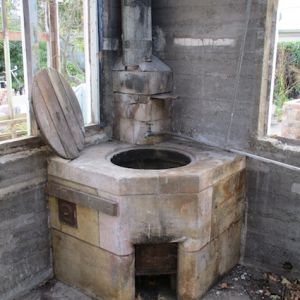
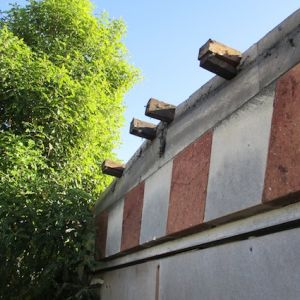
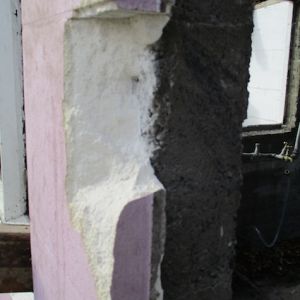
At storage in West Melton are 65 pallets with Oamaru stone, 9 pallets with lintels and sills, 15 pallets with roof tiles, 8 pallets with bricks, 4 pallets with fireplaces and a water tank and 4 pallets with various floor tiles, marble and stones from the garden.
All pallets with Oamaru stones are covered with a pallet on top (for ventilation) and a canvas to protect them from rain.
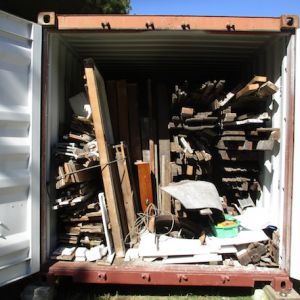
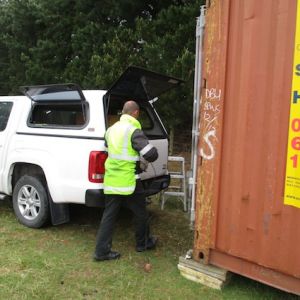
The 20ft container is transported to West Melton as well and got fumigated to terminate any borer and White-tales (Australian spider) left in here.
The total weight of the construction materials on site is approx. 145 tons and I have lifted everything at least twice.
The deconstruction took about 5 months, costed about 34 grand (I had 31 calculated) and I myself lost about 18 kilos.
Newspaper:
The article in the newspaper opened doors.
Before starting my new job I visited the Oamaru stone quarry and met with the owners Bob and Linda Wilson. Also met with Paul Hauligan; stone mason at the Art Centre in Christchurch.
Heritage New Zealand just had moved into their new office in Christchurch and here I presented the deconstruction project for all staff.
All to be continued...
Oamaru stone contractor John Dooley (Dooley Brothers) identified the Oamaru stone from the house as quarried at the "Okay" quarry.
Okay quarry is a small quarry with high quality stone but closed already years ago. I'd like to visit the quarry.
Basilica:
It is said that the Muschamps used left over stone from the Basilica in Christchurch.
It would be worth looking into where Oamaru stone, used at the Basilica, came from.
I also think it would be worth looking into similarities in doors, skirtings, architraves, Canadian Oregon Pine and "Turtle" Marseille roof tiles used at the Basilica.
All to be continued...